Priorities, programs, and a variety of possibilities
From the day we opened our doors in 1986, offering grants to benefit northeast Minnesota has been the bedrock of our work. Since then, in collaboration with many generous funding partners, we have awarded more than 6,500 grants totaling over $53 million and counting.
Along the way, the grant program has expanded and, we hope, improved. Time and feedback have led to changes—revisiting priorities, launching new programs like Maada’ookiing, shifting to more general operating support, and simplifying applications and reporting.
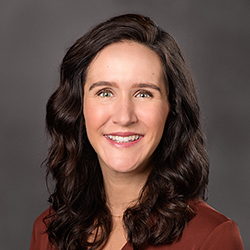
“Effective grantmaking can’t be too prescriptive and force grantees into narrow lanes of what we think they should do,” states Michelle Ufford, Director of Grantmaking. “At the same time, we can’t be all things to all people and spread limited resources broadly yet too thinly to do much good. There’s a sweet spot we try to hit.”
Here is a snapshot of Northland Foundation’s Grant Program today and the different opportunities currently available to grantseekers.
Ongoing grant opportunities
Northland currently offers three regular avenues throughout the year to access grant funds. Funding is awarded either three or four times annually, depending on the program. You can dig deeper into each opportunity in the Grants section of our website.
Quarterly Grants to Nonprofits or Government Entities
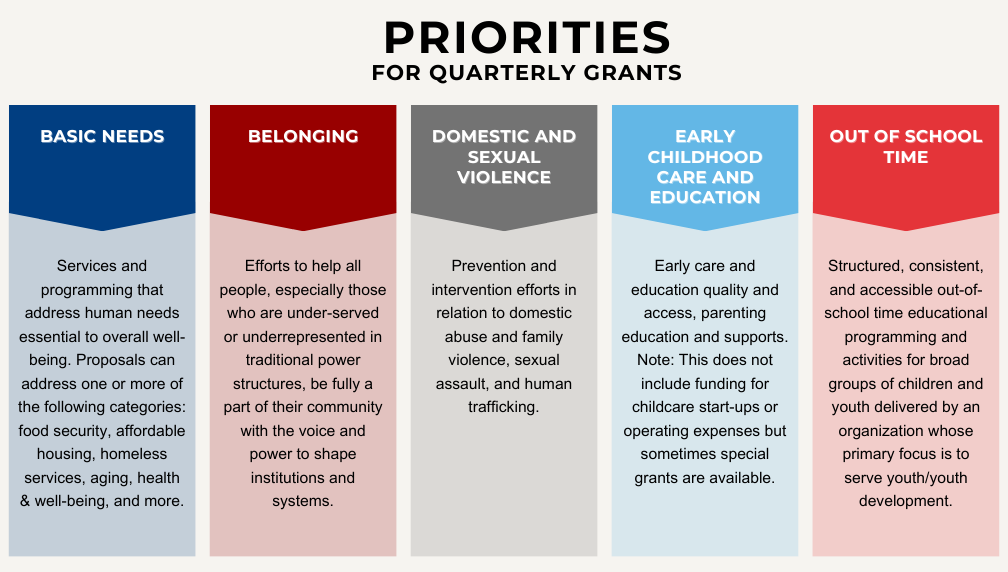
On a quarterly basis, the Northland Foundation awards grants of $10,000 and up to nonprofit organizations and government entities such as school districts and Tribal nations within our region. Quarterly application deadlines are January 5, April 1, July 1, and October 1.
Aimed at nonprofit 501(c)3 organizations, school districts, Tribal nations, and local governmental agencies. Most grants to nonprofits that are based in our region offer general operating support; other types of grantees including those headquartered outside the region but doing work here receive program-restricted funding for specific activities.
Organizations apply using our online grant portal. Deadlines are January 5, April 1, July 1, and October 1. Approved grants are dispersed around 90 days after each deadline. Contact our Director of Grantmaking, Michelle Ufford with questions.
Maada’ookiing Grants to Native American Individuals or Groups
In many Native American traditions, the act of giving is recognized as a mutual act that benefits the entire community. Maada’ookiing (Ojibwemowin for “the distribution”) began in May 2021 to help support grassroots, Native-led community building that strengthens Native culture and communities. An advisory board of Native American representatives meets 3x per year to recommend grants up to $2,500 each.
Available to individuals or groups who are Tribal citizens, descendants, or have kinship ties or affiliation for work taking place in Northland Foundation’s geographic service area. Types of projects eligible for funding include sharing cultural activities, strengthening access to language, supporting youth, and more.
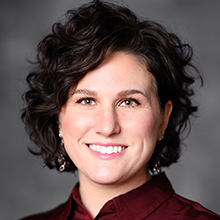
Applicants use an online application portal found on our website. Deadlines are February 15, May 15, and September 15. Awarded grants are dispersed about two months after the deadline. For questions, contact Program Officer, Cayla Bellanger DeGroat.
Youth In Philanthropy Grants to Children-and-Youth Led Projects
The Youth In Philanthropy Program is a unique advisory board made up of middle and high school students from around the region, guided by adult mentors, who gain hands-on experience with philanthropy and volunteer service at a young age. The “YIP” board meets 3x per year to recommend for funding grants up to $1,000 each to projects led by children and youth with help from adult advisors.
The proposed project for funding must be planned and carried out by young people, and the grant itself written by children/youth, with support from an adult advisor. A fiscal agent is required e.g. school/school district, Boys & Girls Clubs, 4-H, or other nonprofit.
The application and budget template are fillable pdf forms found on our website. Deadlines are January 1, April 1, and October 1. Grants are dispersed about two months after each deadline. Contact Senior Program Officer, Jan Amys with questions.
Special, time-limited grant opportunities
Time-limited funding opportunities may also be available. These are grants that come and go, often (but not always) based on funding from outside sources. Depending on the grant, applications may be open to nonprofit organizations, individuals or small groups, or businesses or community development entities. Keep an eye on the Special Grants page of our website to stay abreast of unique funding opportunities.
Right now, several special grants are on offer. Two opportunities are designed help start, expand, or sustain child care operations in Greater St. Louis County, and the third is the state-funded Border County Economic Relief Program grants for Minnesota businesses in counties bordering Canada who lost revenues due to recent border andBWCA closures.
Grants, done well, get the right resources into the hands of changemakers doing the work of moving their communities forward. There is a continuous process of assessing and adjusting to make sure grant practices hit the mark, as best we can. Your feedback is always welcome. Stay in touch!
A fresh spark for AGE to age communities
Hitting the reset button on intergenerational community-building
The Merriam-Webster dictionary defines community as an interacting population of individuals in a common location. A 2017 Together Institutearticle describes it as a group of people that care about each other and feel they belong together.
In our rural AGE to age sites, community is all that and more. It’s a place where members of every age are valued, respected, considered, and included.
The Northland Foundation first launched AGE to age: bringing generations together in 2008 with a few pilot sites. The big, audacious goal? To offer rural communities a framework to reach and connect two important but often overlooked groups: youth and older adults. Response was incredible. AGE to age grew to include 15 Northeast Minnesota sites and three Native nations in our region.
Northland, with generous partner support, provided training, technical assistance, a regional learning group, and funding to help each site build and sustain their AGE to age activities. Tens of thousands of older adults, young people, and the ages in between engaged in hundreds of local projects. Year after year, participants reported that they felt more connected, less lonely, and enjoyed greater overall well-being. It was going wonderfully well. Then came the spring of 2020.
AGE to age Community Engagement Project
Programs rooted in face-to-face interaction, like AGE to age, naturally lost some momentum during the pandemic. In the aftermath, communities were eager to get back on track. Enter the AGE to age Community Engagement Project.
In 2022, we were awarded a significant $500,000 two-year AmeriCorps Seniors-Senior Demonstration grant. The federal funding assisted AGE to age sites to build on their existing programs, to help children and youth thrive and reduce social isolation across generations. Activities included homework help, art clubs, environmental projects, and more.
Our program staff and local site coordinators in AGE to age communities, along with their teams of volunteers and local residents, have been busy!
A regional AGE to age Summit bringing intergenerational teams together for team-building and leadership training was held last Fall
Site-specific listening sessions and surveys gave community members input on the intergenerational activities they’d like.
Ongoing peer learning sessions join AGE to age coordinators to debrief on listening session and survey results and exchange insights.
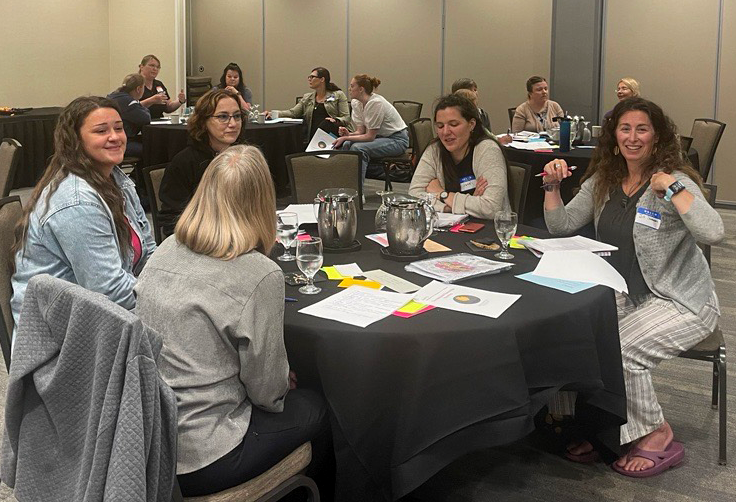
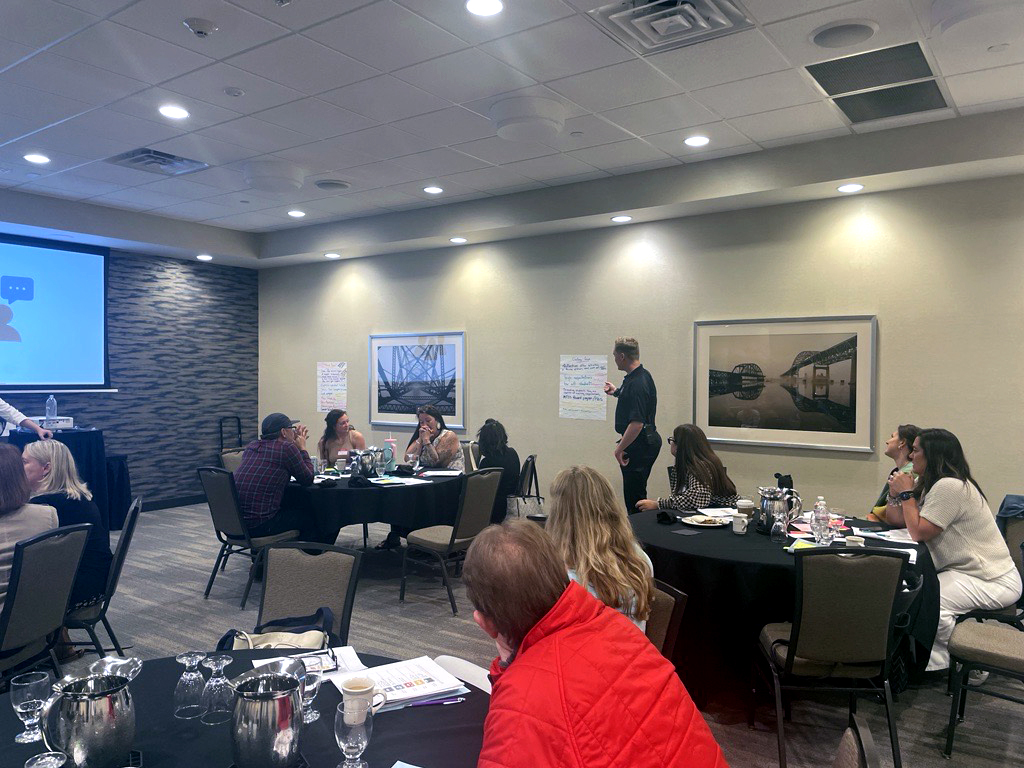
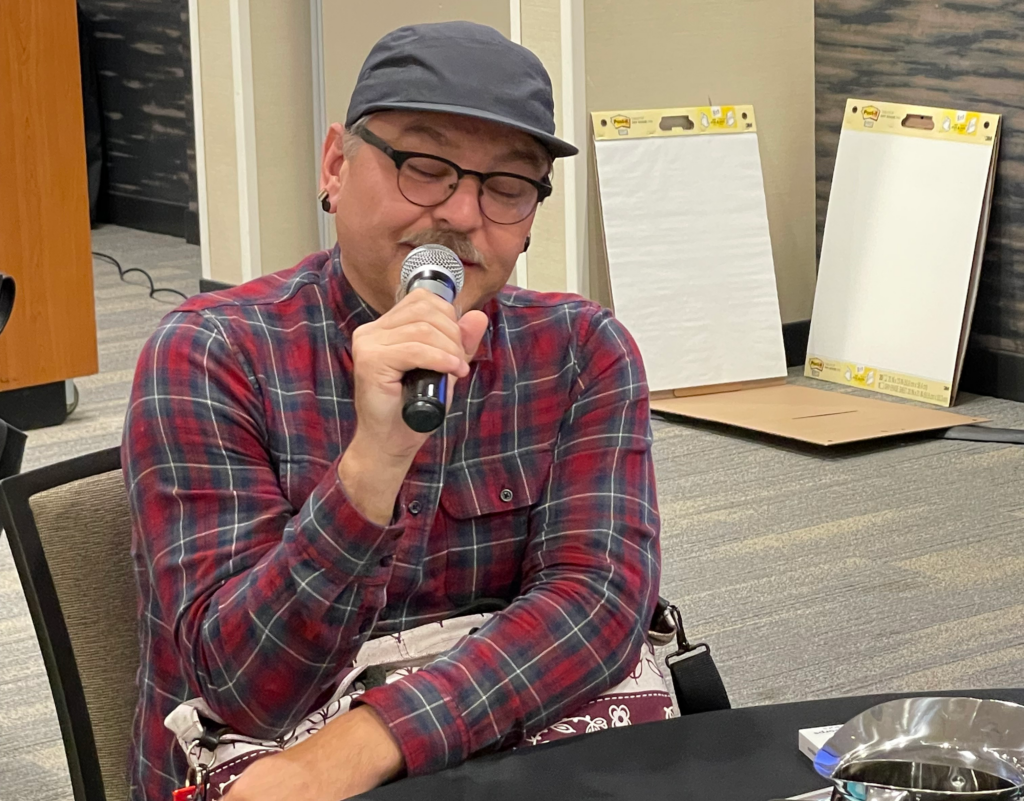
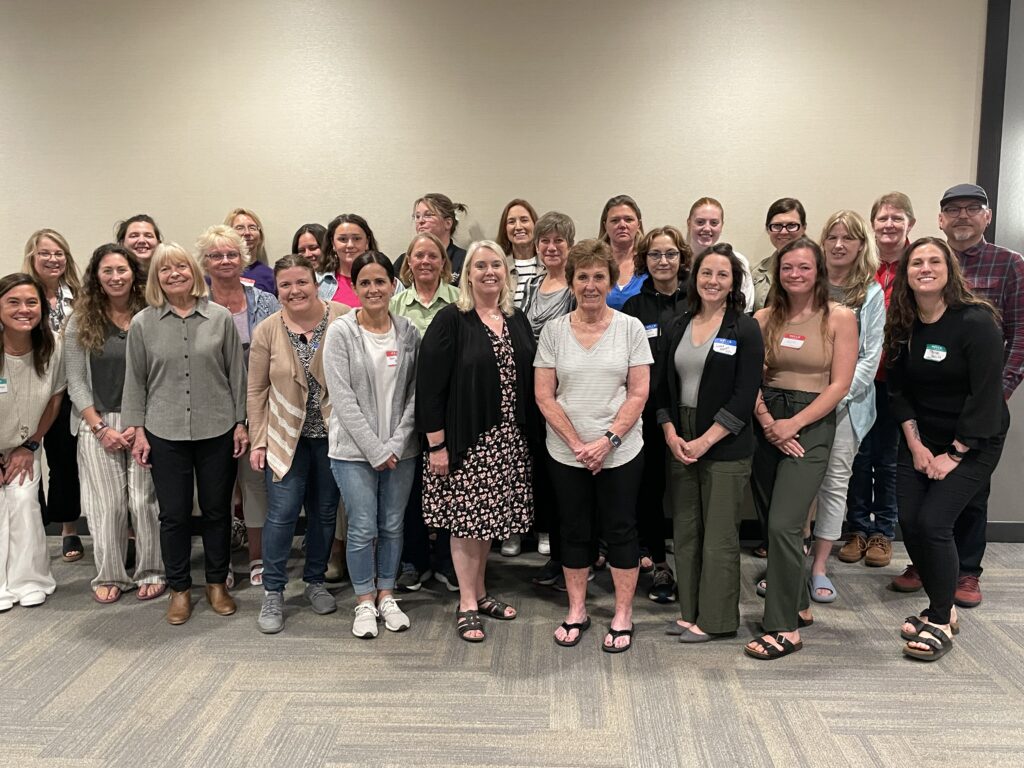
In June, a Leadership Summit included 42 AGE to age Coordinators and program staff. They participated in a Search Institute training, “Intentional Relationship Building”, and each team took the mic to give an update on the exciting work already happening.
Funding awards of $10,000 to $20,000 are supporting AGE to age Communities with their new and expanded programming.
The June training for Community Engagement Program sites was high-energy and interactive.
Naawakwe shared Fond du Lac Band of Lake Superior Chippewa AGE to age updates. After a day well spent, Summit teams were all smiles.
Enthusiasm and resources fuel local projects
So, what HAS been going on in our region with the AGE to age Community Engagement Project underway? Read on for just a small taste.
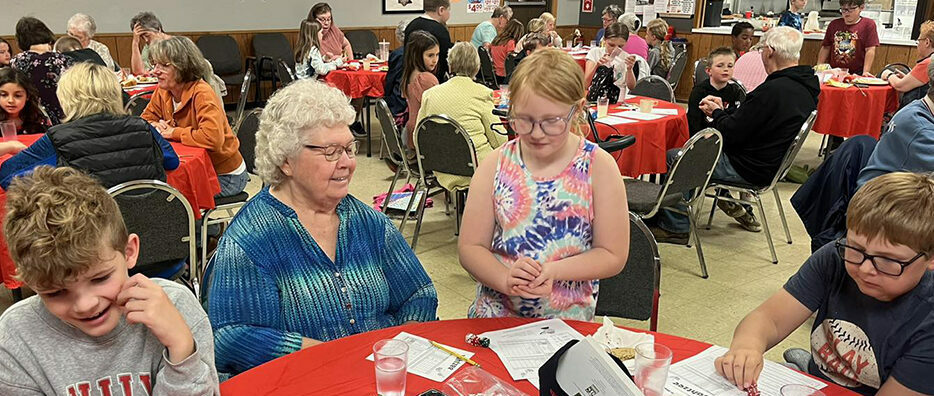
In Aitkin, more than 90 older adults spent 1,000 face-to-face hours with children and youth this past year. When a local teacher was out on family leave, older adults volunteered to teach the sewing class. A call for donated cribbage boards to help kids improve math skills morphed into intergenerational cribbage lessons. Grandfriends (pictured above), book buddies … the list goes on.
Grand Portage elders are connecting with children and youth for Reading Buddies as well as teaching traditional practices such as sugarbushing.
We’re seeing the bright light again after COVID. Today feels like coming full circle.” —Vicki Radzak, Moose Lake
In Bigfork, high school shop students are making repairs to the intergenerational garden and the annual BINGO night brings the whole community together.
East Range communities (Mesabi East School District), like other sites, are taking community input to action. “Our listening session was mind-blowing. Our youth want hands-on life skills learning,” said coordinator Rachel Doherty.
One such project involved retired bus driver, Bob, who led three young men in building a hydroponic garden system. “The boys would be disappointed when Bob missed a session,” explained Doherty, “and when it was done, Bob was beaming with pride. It was a great way to provide mentorship for boys.”
Rural sites engage with renewed vigor
AGE to age has come of age. Now 16 years in, and post-pandemic, sites are re-energized and resourced to fully resume bringing generations together.
Generous funding partners, dedicated coordinators and volunteers, and local support are sparking opportunities that redefine what “community” means in our rural region.
If you live in an AGE to age community and are interested in learning more or want to find out how to participate, please email our Program Officer, Taylor Holm, or call her at 218-740-7306.
Newly added trustees bring diverse experiences and perspectives
Welcoming fresh voices, recognizing contributions of former Trustees
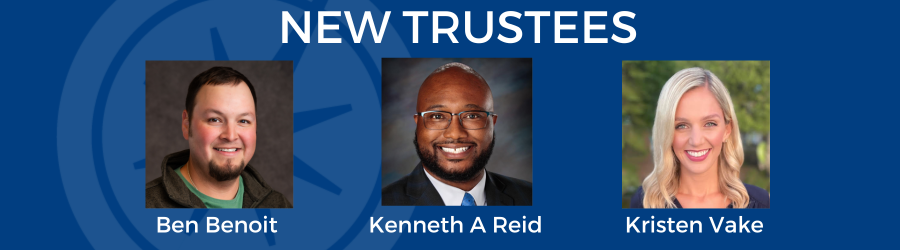
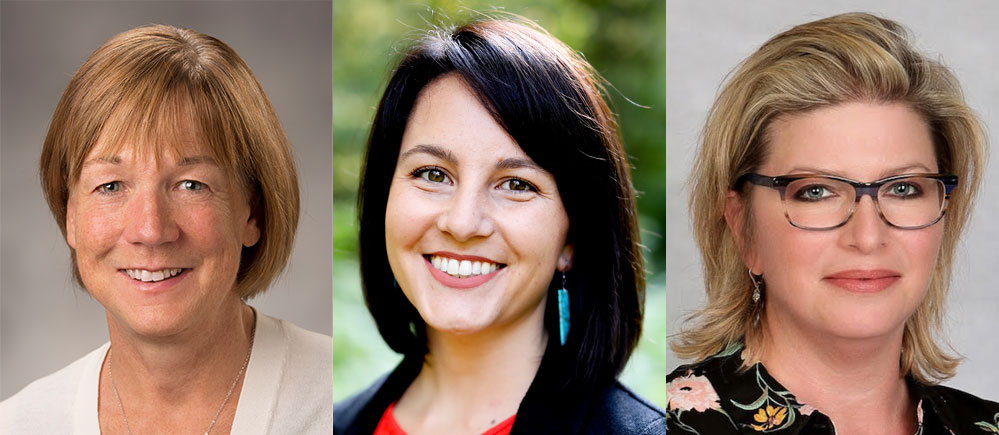
The Northland Foundation’s Board of Trustees warmly welcomes three new members who begin their terms at the April 2024 board meeting.
They join a team hailing from communities across our region who have a wide range of backgrounds yet who share a common quality: passion for the places we call home. Find the full Board of Trustees on our website.
“We are thrilled be adding these three individuals to the dynamic group of leaders on our board.”
He served as interim Executive Director working directly with the Tribal Council implementing policy and procedure. Previously, he worked within the Leech Lake Division of Resource Management as Environmental Director for Natural Resource Management. Among his past accomplishments was helping facilitate the government-to-government development of the 2019 Memorandum of Understanding relationship between Leech Lake Band of Ojibwe and the Chippewa National Forest. Ben holds a bachelor’s degree in Biochemistry from the University of Minnesota College of Biological Science.
Ben Benoit
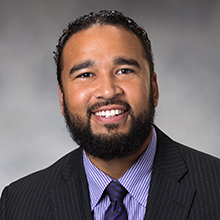
Kenneth A. Reid currently serves as the Associate Vice President of Student Affairs at Lake Superior College in Duluth, Minnesota. In this role, he supports student affairs/services departments, works collaboratively to increase student success, and evaluates policies and procedures impacting student retention, persistence, and completion.
Before his appointment at Lake Superior College, Kenneth served in several other functional areas, including residence life, student conduct, and diversity, equity, and inclusion for nearly eight years at various institutions. He holds a B.S. in communication with an emphasis in advertising and public relations from Grand Valley State University, and an M.A. in post-secondary education: student affairs from the University of Northern Iowa.
Kristen Vake is the Executive Director of the Iron Mining Association of Minnesota (IMA). She holds a bachelor’s degree from the University of Wisconsin-Superior and a master’s degree from Northwestern University in Chicago. As a former TV news anchor and journalist, Kristen brings vast storytelling experience to her role at the IMA, sparking meaningful conversations about iron mining and its role in our future.
Kristen grew up in Chisholm, MN. A proud Iron Ranger, she is driven to influence positive growth and change across the region and beyond. She helped create a nonprofit called ReGen to make sure young people in the region have a seat at decision-making tables. She serves on the Minnesota Center for Mineral Resource Education board and volunteers for the United Way of Northeastern Minnesota as well as several chambers of commerce.
Kenneth A. Reid Kristen Vake
Outgoing Board Members
We would also like to recognize former Trustees, Baabiitaw Boyd and Shaye Moris, both of whom stepped down from the Northland Foundation board in recent months. Thank you for serving our organization and, most importantly, the people and communities of our region!
Board welcomes newly elected chair and two new trustees
With gratitude to Immediate Past Chair and retiring Trustees
At its upcoming December meeting, the Northland Foundation’s Board of Trustees will officially bring two new members into the fold and be guided by a newly elected Board Chair.
Officers for 2021-2022 are: Angie Miller, Chair; Shaye Moris, Vice Chair; Cindy Anderson Bina, Secretary; and Peter McDermott, Treasurer. Find all current trustees on our website.
Angie Miller
“The board sets the foundation’s direction and challenges and encourages us to evolve. We are fortunate to have such smart, dedicated folks working on behalf of our region.”
Tony Sertich
Outgoing Board Leaders
In September, trustees and staff also celebrated Jason Hollinday, who concluded his term as Chair but continues his board service through next spring. Jason has provided steady, flexible leadership throughout the uncertainty of the pandemic. Thank you, Jason!
There was also a warm send-off for Trent Janezich who rotates off the board after ten years, including two as Chair. Trent will stay connected as an Emeritus Trustee Group member, as will former trustee, Lisa Kruse, who retired from the Board in the spring.
Meet New Trustees
Following an open, region-wide search and selected from an impressive group of applicants, Michelle Ufford and Jamie Adams have joined the Board of Trustees. As further introduction, read a bit about their backgrounds and their individual responses to the question, “What about the Northland Foundation’s mission is most meaningful to you?”
Jamie Adams is an Economic Development Planner with the Fond du Lac Band of Lake Superior Chippewa. She also serves on the Northspan and Solon Springs Educational Foundation boards. Jamie has been a volunteer adult mentor with the Northland Foundation’s Youth in Philanthropy Board and an AGE to age coordinator. She holds Bachelor’s degrees in Environmental Studies and Urban and Regional Studies from the University of Minnesota Duluth.
“The mission aligns directly with my passion in life, which is helping communities thrive – especially by investing in youth. I appreciate that the foundation listens to each community and recognizes that each one is different,” stated Jamie.
Jamie Adams
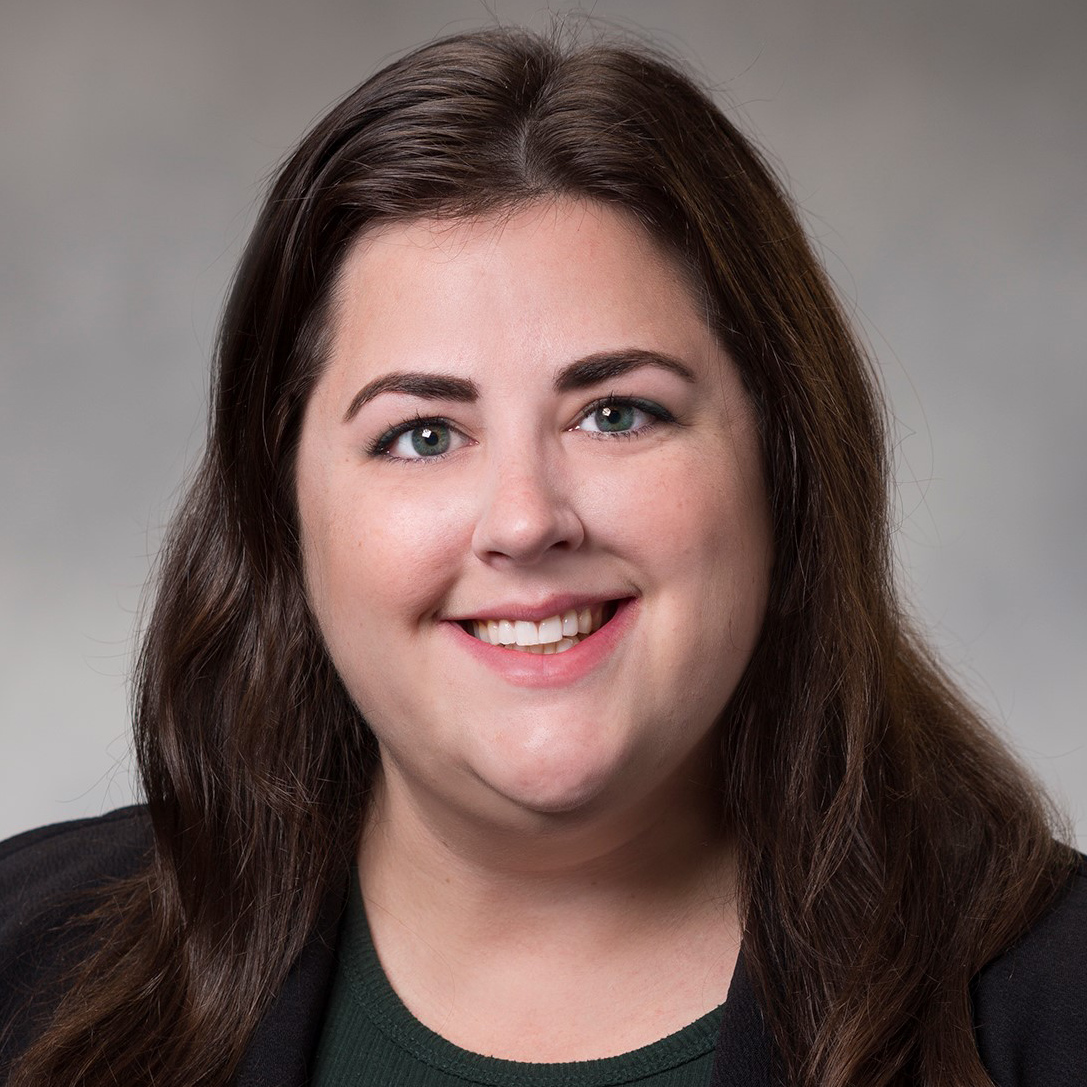
Michelle Ufford is the Director of Workforce Strategy for Essentia Health. Previously Michelle worked at the Northeast Minnesota Office of Job Training, including 12 years as Executive Director and most recently as School-business Coordinator for Rock Ridge Public Schools. She serves on a number of other boards including the Minnesota Governor’s Workforce Development Board. She holds a degree in psychology from the University of Minnesota.
Of the mission, Michelle said, “Having been involved in workforce development in our region for over 21 years, as well as being a 5th generation Iron Ranger raising a family here, I have a vested interest in ensuring our communities thrive today and in the future.”
Attraction and retention projects and partnerships aim to bolster child care and aging services
August headlines read, “Minnesota Unemployment Rate Holds at 1.8%, an All-Time Low”. That’s good news, right? Well, yes and no. Historically low unemployment means workers have more choices but also that there is fierce competition for job seekers. Meanwhile, the costs of living and doing business are rising, putting the squeeze on both households and employers.
Two critically important “caring professions” struggling under current conditions – child care and elder care – are costly to provide compared to what most families can afford to pay. Caring for our youngest and oldest community members are two sectors that were already struggling to attract and retain workers even before the pandemic and the current tight labor market.
The Northland Foundation along with many partners is doing our part to find short- and longer-term solutions.
Child Care Workforce Survey, Working Group & Pilot Project
The child care crisis was well-known in Minnesota even before COVID-19, but the pandemic created a massive strain on providers who battled with inconsistent attendance, closures due to COVID exposure, supply shortages and high costs, and staff burnout. Now the competition for workforce is putting added stress on this sector.
Data compiled by First Children’s Finance (July 2021) shows northeast Minnesota needs 4,567 more child care openings to accommodate families with children age six and under—or 57% more spaces than we currently have.
CHILD CARE CENTER DIRECTOR SURVEY
In June, the Northland Foundation partnered with Northspan to conduct a survey of licensed child care center owners and directors in the region.
Most (72%) of those who took the survey have a child care center in St. Louis County and included both for-profit and nonprofit operations. On average, respondents indicated they could operate at full capacity with a staff of 16. Many indicated they currently have two to five positions unfilled, including teachers, assistant teachers, and substitutes.
Pay rates and retention rose to the top of the list of current difficulties. Just over one-third reported serving fewer children due to staffing shortages. A number of owners/directors are filling in for teachers and assistants to meet adult-to-child ratios, leaving little time for administrative tasks.
Asked to identify barriers related to staff professional development, 64% reported their biggest hurdle was coverage in the classroom while staff attend trainings.
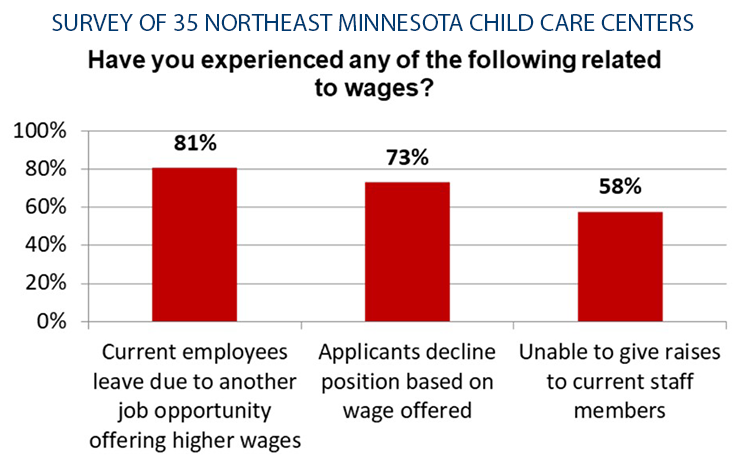
A major challenge within the child care industry revolves around providing teachers and other staff a competitive wage, while keeping the program operable and affordable for parents. Nearly 80% reported losing staff to other jobs with higher wages. Mental health and burnout were also cited.
“The current business model of child care does not seem to be working. In order for us to pay our employees more, we have to raise our rates and parents are already struggling. We need funding to help us maintain our workforce and be a desirable employer.”
Licensed Child Care Center Director – Survey Respondent
CHILD CARE TALENT PIPELINE WORK GROUP AND PILOT PROJECT
A Child Care Talent Pipeline Workgroup has formed and is tasked with pursuing strategies to help child care providers find and keep qualified talent. The group is facilitated by Northspan in partnership with Northland Foundation and counts center directors, higher education, economic development and business interests, and community organizations among its members.
In addition, the Northland Foundation is designing a Child Care Center Workforce Solution Pilot Project to launch this fall. The plan is to make flexible funding available to licensed child care centers to help with staff recruitment and retention to stabilize and grow program capacity. Participating pilot programs could receive additional supports and resources by attending specialized trainings and/or or peer learning opportunities.
“With the roll out of the new Child Care Talent Pipeline Work Group coupled with new Minnesota Department of Human Services Child Care Capacity Building efforts, the timing is excellent to pilot and test locally designed solutions to address workforce challenges impacting our region’s child care sector,” stated Zane Bail, Northland Foundation’s chief operating officer.
Aging Services Workforce Projects In Progress
Through our Integrated Rural Community Aging Program, a three-year initiative that will conclude at the end of 2022, the Northland Foundation has provided funding support for two regional workforce solution pilot projects. In spite of challenges and delays created by COVID, which hit just as they were getting underway in 2020, the Foundation’s two Regional Aging Services Workforce Partners have implemented exciting projects help increase the quantity and quality of paid caregivers in northeast Minnesota.
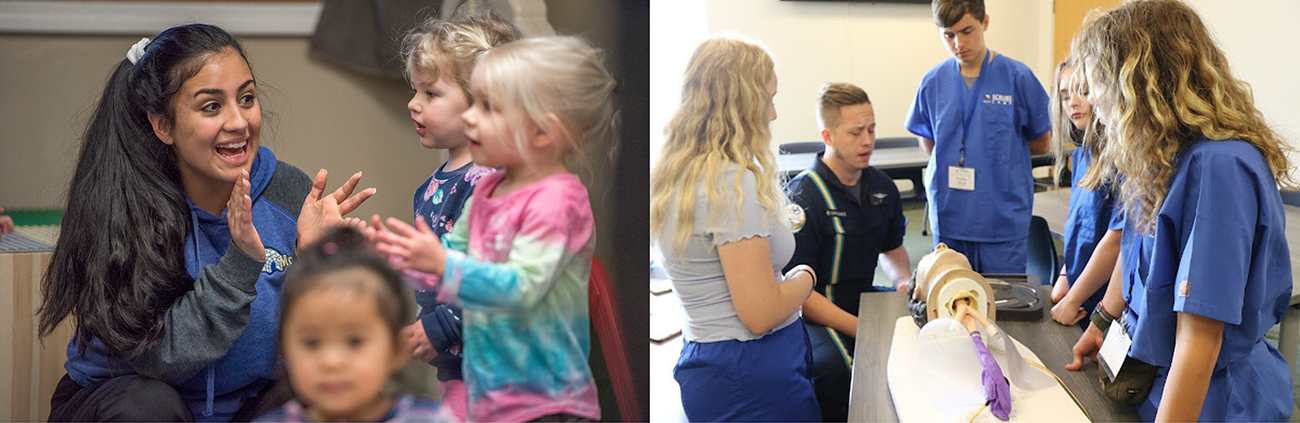
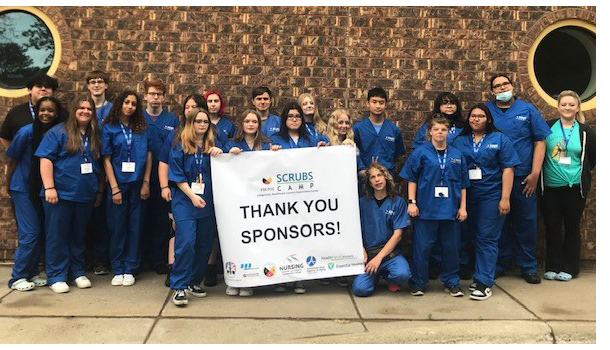
Hosted SCRUBS and Health Care Career Exploration camps, including one focused on Indigenous students, one virtual, and one in Hibbing, to give high school students a supportive, hands-on introduction to these careers.
Soft-launched a robust website for the Arrowhead Regional Consortium of Healthcare Staff as a comprehensive hub for anyone looking into these careers, who are interested in advancing their careers with additional training and certifications, and for employers looking to hire. The site (here’s an introductory video) allows numerous regional and state partners to add resources such as scholarships, loan repayment programs, training, etc. as well as workforce events at any time.
Launching a region-wide marketing program to raise awareness of the website tools and health care and aging services careers to help inform and attract more people to the field.
Indigenous students gained a hands-on feel for health careat the Fond du Lac Tribal and Community College SCRUBS Camp.
Improving secondary and post-secondary curriculum to align with industry standards in the healthcare sector.
Expanding work-based learning opportunities for high school students in local healthcare facilities.
Leading a process to co-create a vision for a regional approach to promote widespread awareness of local healthcare training programs.
Additionally, seven northeast Minnesota Community Planning and Care Coalitions, with technical support and funding also provided through the Foundation’s Integrated Regional Community Aging Program, have been hard at work in Aitkin County, Ely Area, Itasca Area/Northern St. Louis County, Koochiching County, North Shore Area, and Two Harbors driving quality of care initiatives that have:
Increased training for volunteers to enhance recruitment, retention, and the quality of informal care.
Created new positions such as Care Navigators and Aging Services Coordinators to help connect older adults and their caregivers in their communities with services and supports.
Provided mileage and stipends for in-home respite and home health workers to help with worker retention and service to some of the region’s more isolated, rural areas.
Expanded in-home visitor programs that are “eyes in the home” to ensure that older adults are receiving care and attention they need.
“Northland and our partners are doing what we can to support workforce attraction and retention in two areas where we have experience, funding, and traction: child care and aging services.”
Tony Sertich, Northland Foundation President
The Northland Foundation will continue seeking funding, collaborating with public, private and nonprofit sector partners, and testing new approaches to help ensure our youngest and oldest citizens can receive the care they need.
Building Up Belonging Across Place, Race, and Class
New funding, focus, and partnerships designed to increase opportunities for everyone in our region to thrive
What does a sense of belonging mean to you? Offhand, it may be knowing your neighbors, living near friends and family, or joining a team, club, or social group. We think it is also having the voice, power, and tools to improve your circumstances and shape your future.
When you belong you feel welcomed, seen, respected, and invested in your community. You have the opportunities you need to create a good life for yourself and your family. Diversity, equity, and inclusion (DEI) are words we hear often today. We believe “belonging” is foundational to DEI.
The Northland Foundation is building up belonging in our region along geographic, racial, and socioeconomic lines, or place, race, and class. This work is expanding things we’re already doing, as well as starting new programs and partnerships.
Why it’s important
Our mission is to “invest in people and communities for a thriving region”. This region as a whole can only reach its best potential if everyone living in it has a fair shot at success.
“Through conversations with all kinds of folks across our region, we know there are people who feel left out or left behind in a variety of ways. The strongest communities are ones where everyone can thrive. That’s where we’ll continue to focus our work.”
Tony Sertich, Northland Foundation President
Northeast Minnesota and the Native nations of this region have many strengths and assets. It’s also true that opportunities can differ based on where you live, who you know, the color of your skin, your current income, or family background. Not everyone has full and fair access to even the essentials like quality housing, education, health care, child care, employment and entrepreneurship. This needs to change for us all to realize our fullest potential as a region.
We see our part in driving change as two-fold. 1. Increase support for people who have traditionally been left behind, especially in relation to place, race, and class. 2. Work to undo barriers that have long been “baked in” to society, including those firmly in our wheelhouse – philanthropy and small business assistance.
What we’ve been doing
Northland has had a positive history of relationships with and funding for rural communities, Native nations, organizations led by and serving Black, Indigenous, and people of color (BIPOC) and nonprofits serving low-income people. Yet, when we dug into the data there were clear gaps. We needed to do more.
Some first steps included even more intentional outreach and grant awards to under-served organizations and communities region-wide. Our staff and board participated in DEI learnings around cultural awareness, bias, and historical inequities. We launched an Indigenous-led design process for what became the Maada’ooking program, adjusted board recruitment and hiring practices, crafted a Land Acknowledgement and updated our service area language to be more accurate and inclusive.
In 2019, we began hosting the Northland Small Business Development Center with a team of consultants who bring more eyes, ears, and feet on the ground in rural communities across our region.
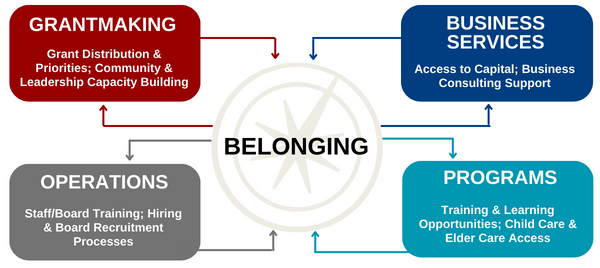
Thanks to many generous and patient partners, advisors, and colleagues, we continue to learn and adapt. Belonging is now one of our grant priorities and a lens through which we look at all we do. Here are some of our Belonging-centered outcomes.
GRANTMAKING
Intentionally increasing grantmaking to under-resourced communities in our region, which has led to a 15% increase in grants to rural communities in all corners of the region and a tripling of our funding to BIPOC-led organizations, Tribal Nations, and Indigenous individuals.
Strengthening equity-centered community and leadership capacity as a partner/supporter for the Welcoming Community program led by Northspan with rural community members; setting aside special funds to award multi-year Systems Change Grants; and bolstering support for Indian Education professionals.
BUSINESS SERVICES
Expanding lending and technical assistance for businesses owned by women, veterans, people with handicaps, people with low incomes, and BIPOC-owned businesses, working with the Northland SBDC, Tribal Nation leaders, BIPOC-led organizations, and other economic development partners.
Soon launching a micro-lending program to help BIPOC and other emerging entrepreneurs get no-interest business loans of $1,000-$15,000.
PROGRAMS
Offering culturally specific and DEI-focused training at low or no cost to hundreds of professionals who work with young children and families in our region.
Academic, activist and artist Lilla Watson is credited with saying, “If you have come here to help me you are wasting your time, but if you have come because your liberation is bound up with mine, then let us work together.”
Belonging is not just a word for us at the Northland Foundation. It’s a guidepost to shape decisions, strategies, and directions. It’s also a mirror to look at ourselves; listen, learn, and unlearn; and improve how we show up for people and communities in this region.
It is in all our interest to focus on making sure each and every person who lives in the Northland feels like they belong. We hope you will join us in building up belonging!
Helping kids cope, and flourish, through the pandemic
Grantee Spotlight: Boys and Girls Clubs of Grand Rapids and Greenway
Nearly 400,000 people live in our region and almost 63,000 of them are under age 18. Each one has been affected in some way by the upheaval of COVID-19.
How many times have you heard it said that kids are resilient? Adults may be tempted to think children and youth can easily shake off the mash-up of stressors caused by the pandemic. In truth, adverse experiences can carve deep trauma-response pathways into developing brains.
The great news is there are scores of people and programs across Northeast Minnesota dedicated to helping kids cope and even thrive. The Boys and Girls Clubs of Grand Rapids and Greenway (BGC) is one.
“We want kids to know we will be here”
The BGC met the COVID curveball with creativity and firm commitment.
During the first chaotic days and weeks of the pandemic, Area Director Lori Kangas-Olson and her staff gathered and agreed: We have to be that positive, consistent face and place to be. No matter what’s happening with school closings or other challenges, we want kids to know we will be here.
In March 2020, like so many organizations, the clubs had to shut down but re-opened in June as an essential service. School closures meant shuffling sites. In Grand Rapids, the club operated in an old school building no longer used for classes. In Greenway, temporary space was found in a church building just a block from the high school.
“We opened our doors to all K-12 students who needed a place to be during the day.”
Lori Kangas-Olson, Area Director, Boys and Girls Clubs of Grand Rapids and Greenway
Membership swelled to 590 students across both sites, a full 10 percent of all students in the districts. Between rent and utilities, longer hours, more programming, and hiring extra staff, the budget strain was real. Membership fees are just $10 per year, per family, but no-one is turned away for inability to pay. A $35,000 Northland Foundation grant for general operating support – flexible dollars to cover whatever needed covering – eased the financial load.
“Northland Foundation support was really important to be able to stay operational and serve the big increase in kids during the pandemic,” Kangas-Olson said.
“There is still underlying anxiety”
How are things today? “We see kids needing more support academically and emotionally. There is still underlying anxiety,” said Kangas-Olson. “Every time someone gets the sniffles, it can cause alarm. Some kids are doing really well. The routine is back, although the energy and interaction aren’t quite the same as before the pandemic, at least not yet.”
Support for social-emotional growth, a club cornerstone, has been “amped up” with increased staff training in Adverse Childhood Experiences and partnerships with behavioral health resources. BGC has not only been a place for schoolwork but also to access counseling, both in-person and virtual, filling a big need for children, youth, and families.
BGC’s steady presence and focus on delivering high-quality programming has kept kids engaged and club numbers high. Kangas-Olson shares that more families discovered the Boys and Girls Clubs during the pandemic and are choosing to stay with it.
Northeast Minnesota is home to many, many stories like that of the Boys and Girls Clubs of Grand Rapids and Greenway – solid community resources that do not blink in the face of unexpected hurdles but instead find a way forward.
“Every young person now has an Adverse Childhood Experience called the pandemic,” said Tony Sertich, President of the Northland Foundation. “Adding to the number of caring adults and peers in their lives can help offset the negative effects of the challenges they have had to shoulder.”
“We celebrate and support the educators, counselors, care providers, and out-of-school-time program teams in our rural communities and Native nations who are weaving that critical safety net for kids.,” added Sertich.
Child care update: funding, training, and advocacy
The Northland Foundation has been in the thick of early care and education for nearly two decades, and it’s a topic that is hotter than ever.
“No matter where I go in our region, people are talking about child care. Employers, local leaders, economic developers, early care and education providers, parents, grandparents … everyone is concerned about it,” stated Northland Foundation President, Tony Sertich.
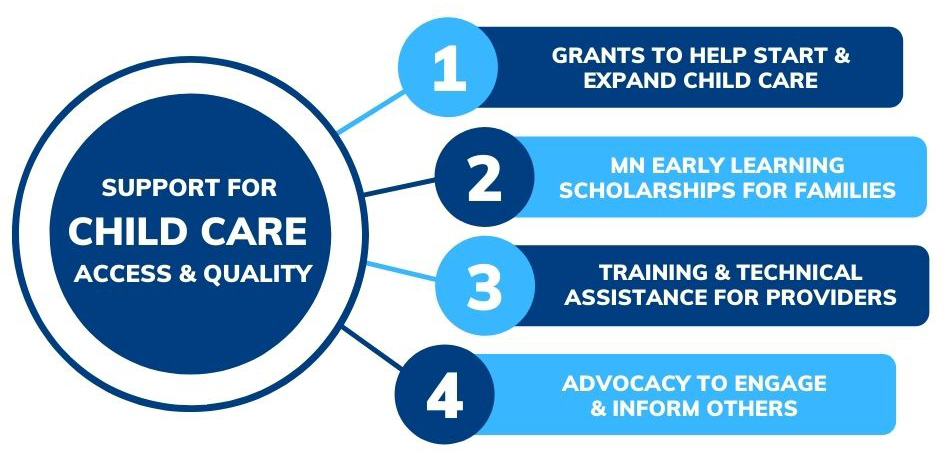
Our work to increase regional availability of and access to quality child care falls into four broad categories: (1) equity to help create more child care spaces in the region, (2) state-funded child care scholarships for families, (3) training and business consulting for child care professionals, and (4) advocacy to spur solutions at the local, regional, and state levels.
Start-up and Expansion Grants
The child care business takes a lot of heart and hard costs: meeting strict building codes, cribs and high chairs, playground equipment, and more. Financing a new facility or expanding an existing one can be a heavy lift for child care entrepreneurs. With recent funding of $240,000 through the MN Department of Employment and Economic Development (DEED), the Northland Foundation will be able to make equity investments in the form of grants to eight-to-ten child care center projects. When completed, they are expected to add 500 new, primarily infant and toddler slots. The latest DEED funding is an increase over similar, smaller awards received in 2017, 2018, and 2019 which totaled $300,000 altogether and helped support 16 projects.
There is a great need for many more spaces – the regional shortfall hovers around 4,800 slots – and for financing assistance to help start-up and expansion projects come to fruition. In August, we conducted a survey to get a better sense for the number of “shovel ready” child care projects in the region. Nearly two dozen respondents outlined projects totaling over $5 million.
Clearly there is appetite to develop more child care in the region, and Northland continues to seek resources to boost child care creation in our rural communities.
Early Learning Scholarships
Starting in July 2017, the Northland Foundation became a Minnesota Early Learning Scholarships administrator for the seven-county region. With approximately $2 million made available in funding each year, the Foundation team processes applications for scholarships offering up to $12,000 per year to help eligible families afford Parent Aware-rated child care or preschool programs.
“We cannot thrive as a region unless fundamental community assets like access to quality child care are a reality for all families in all our communities.” – Tony Sertich, President
Northland’s longtime Parent Aware Pathways work is a fitting counterpart for Early Learning Scholarships, as it helps to increase the number of rated programs available to families who qualify for a scholarship.
Training and Technical Assistance
High-quality child care requires more than a building and supplies. It also takes knowledge and skills to provide developmentally appropriate care that prepares children for kindergarten and beyond, and it takes business savvy to successfully manage the business.
In 2013, we launched Parent Aware Pathways to help child care providers embark on Parent Aware, Minnesota’s voluntary rating system for program quality. We have worked closely with Child Care Aware of Minnesota-Northeast District to offer hundreds of trainings at no cost to providers. Thanks to state agency and foundation funding partners, more than one-third of licensed programs in our region have now earned or are in process of earning a Parent Aware rating—one of the highest attainment levels of any region in the state. Other training and technical assistance includes:
▪ supporting mentoring opportunities for licensed child care programs and family, friend, and neighbor caregivers;
▪ assisting with community planning to develop local solutions to increase the supply of child care.
Information and Advocacy
The Northland Foundation is among a growing number of private and public sector organizations working individually and collectively to move the dial on child care. Northland and many other partners have persistently pushed child care to “top of the list” of every community conversation. What we all know is that the current child care system is broken. And we need child care to work, not just for our families, but also to make our communities more livable and improve our economy.
We and our partners are doing what we can to help within the current system, but much more needs to be done. Fixing the system is not the responsibility of child care providers, who are busy doing amazing work with our children. A challenge of this magnitude, with so much at stake, calls for engagement by the business community, civic leaders, school districts, and – most importantly – policy makers.
“Early care and education can and must be solved with policy and investments that empower Minnesota families to provide the best life they possibly can for their children and our communities.” – Tony Sertich
As conversations and decision-making about the future of child care continues, the Northland Foundation is working steadily across all four strategies to help families, providers, employers, and communities move forward toward solutions.
Introducing a new board trustee and three new staff members
The Northland Foundation is thrilled to have welcomed a new board member and three new staff members in the past few months.
“It’s been several years since we’ve had a member from Koochiching County. Ashley’s experience in both nonprofit and small business leadership is a great match for our mission,” stated Northland Foundation’s President, Tony Sertich. “And, it’s been great to see small business activity steadily increasing across the region. Amanda, Christopher, and Katherine add much-needed financing and technical assistance capacity.”
Ashley Hall joined the Board of Trustees in September. She is the Executive Director of the Falls Hunger Coalition, a nonprofit food shelf addressing food insecurity in Koochiching County. She is also an entrepreneur and fitness instructor who has owned Evolve U Fitness and Wellness since 2013. In addition to the Northland Foundation, Hall sits on the board of Second Harvest North Central Food Bank and is a past president of the International Falls Rotary Club as well as served at the Rotary Club district level.
Ashley Hall, Board Trustee
Katherine Lahti began as a Business Consultant with the Northland Small Business Development Center (SBDC) in July and primarily serves small business clients in northern St. Louis County within the Quad Cities and East Range area. Katherine graduated from the University of Minnesota Duluth with a BA in History. She previously worked at Barr Engineering Co. providing support on regional-to-international engineering and design projects. She and her husband also operate his family’s fourth-generation farm.
Katherine Lahti, SBDC Business Consultant
Christopher Henagin came on board as a Business Consultant with the Northland SBDC in October. He will be serving the Northeast region of the state. Christopher graduated from the College of St. Scholastica with a BA in Marketing. He has previous experience as a financial advisor, digital marketing specialist, and is a small business owner.
Christopher Henagin, SBDC Business Consultant
Amanda Vuicich recently joined the Northland Foundation’s Business Services Program as an Economic Development Specialist/Small Business Lender. She holds a bachelor’s degree in International Studies from the University of Minnesota Duluth. She spent the past four years managing internal operations for Northspan while also consulting with clients on a range of projects. A large concentration of her work has focused on supporting non-profit lending requests, administering grant programs, and assisting local lenders with packaging SBA 7a small business loans.
Amanda Vuicich, Economic Development Specialist & Small Business Lender
Meet the three latest additions to our staff
New Executive Administrator and Program Officers
It has been a busy few months at the Northland Foundation including hiring and on-boarding several employees. Get to know the three newest members of our staff team.
Nichele Canavan has been working as the Executive Administrator since November. She provides key administrative support to the President/CEO and to the Board of Trustees. Nichele comes to the Foundation following nearly nine years as an Executive Assistant with the Duluth Public Schools – ISD 709. There, she supported the work of the Assistant Superintendent of Teaching, Learning & Equity and the Duluth School Board. Additional prior professional experience includes a decade in Arizona where Nichele worked as a licensed Realtor, as well as served as the Marketing Director for a title company.
Nichele Canavan, Executive Administrator
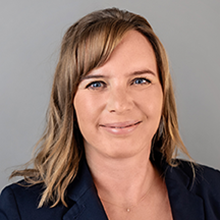
Taylor Holm joined the Foundation as a Program Officer in early January. She works with the Northland’s program and development team, including regional early childhood, intergenerational, and aging initiatives, grant writing and development support, and program evaluation. For the past six years, she was the Executive Director at Community Partners, an aging services nonprofit organization located in Two Harbors, MN. Past professional experience includes work in mental health services and training support for people with disabilities. She has a master’s degree in social work. Taylor is a North Shore Rotary Club member and past Blandin Community Leadership Program participant.
Taylor Holm, Program Officer
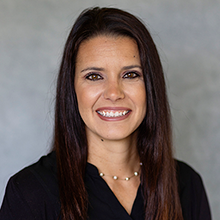
Cayla Bellanger DeGroat is brand-new to the Foundation as of mid-February. As a Program Officer, she will devote much of her time to Northland’s Indigenous-led program, Maada’ookiing. Cayla is an enrolled member of Gaa-waabaabiganikaag, the White Earth Band of Ojibwe. She holds a bachelor’s degree in American Indian Studies and master’s degree in Tribal Administration and Governance. She has worked in White Earth as a Tribal Historic Preservation Officer and Homeless Housing Resource Specialist, and most recently as Community Outreach Coordinator with the University of Minnesota Duluth’s Department of American Indian Studies.
“The good work of the Northland Foundation in our region is a direct reflection of a staff that is talented, dedicated, and grounded in the mission,” stated Tony Sertich, President. “Cayla, Taylor, and Nichele bring all of those qualities to their respective roles. We are thrilled to have them here.”